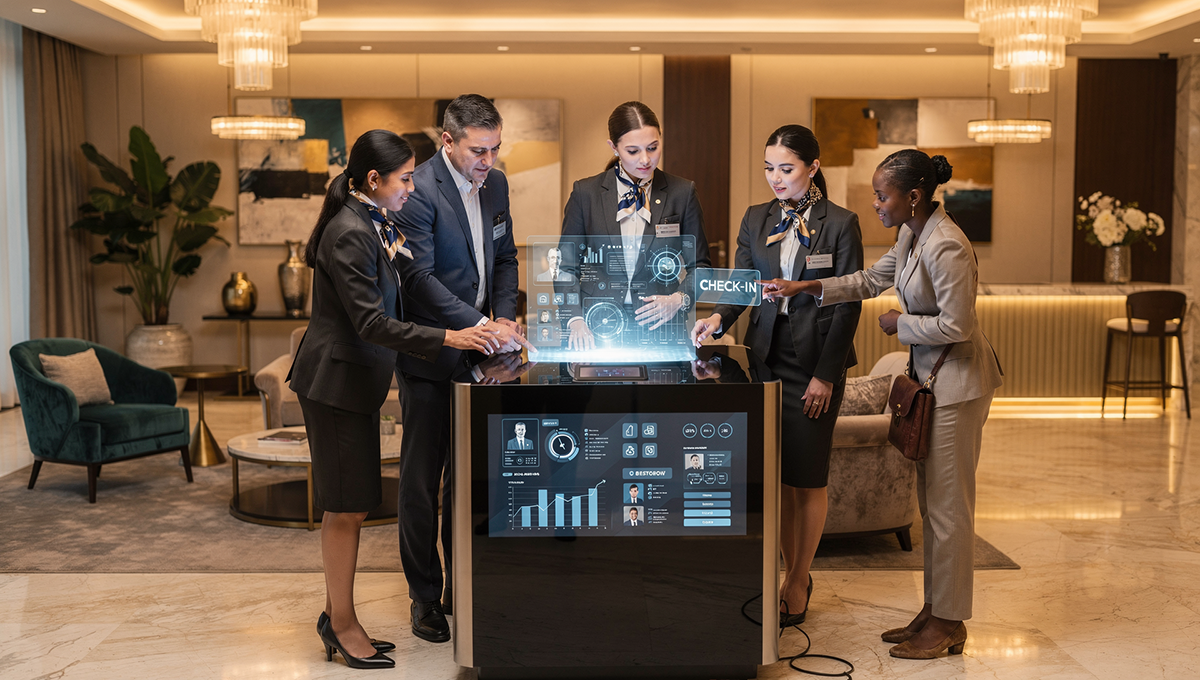
Small Mexican hotels can now compete with the big chains thanks to artificial intelligence tools that cost as little as $500 MXN a month. Technology has been democratized in the hotel industry: solutions that once required millions of pesos in investment are now within reach of a small inn in Oaxaca or a boutique hotel in San Miguel de Allende. In a market where tourism accounts for 8.5% of Mexico’s GDP and there are more than 22,000 hotel properties, AI has become the great equalizer between David and Goliath.
🔑 Key Highlights
- Chatbots from $500 MXN/month handle 85% of inquiries automatically, 24/7
- Mexican solutions like Zavia and Reservatio offer local support and understand the domestic market
- Hotels report revenue increases of 19-35% with AI-driven pricing
Your virtual receptionist that never sleeps

Chatbots have become the most accessible entry point to hotel AI. These tools automatically answer up to 85% of guest inquiries: check-in times, room availability, hotel amenities, directions and local recommendations. A small hotel in Playa del Carmen no longer needs 24/7 staff to answer messages from European tourists in different time zones.
Asksuite leads the Spanish-speaking market with more than 4,000 clients in 80 countries, including Camino Real Hotels in Mexico. Its starting price of $199 USD a month (about $4,000 MXN) includes integration with WhatsApp, Facebook, Instagram and more than 120 booking engines. The Brazilian company reports that its clients triple the conversion rate from website visitors to direct bookings.
For tighter budgets, Tidio offers plans from $24 USD a month (about $500 MXN) with a chatbot that solves up to 67% of issues automatically. There’s even tawk.to, which is completely free and provides unlimited live chat in 45 languages. These options let a bed & breakfast in Guanajuato automate its customer service without a significant investment.
Mexican solutions that understand the local market
Mexico’s hotel tech ecosystem has matured considerably. Cancún-based Zavia ERP has developed an all-in-one system that combines property management, a booking engine and a multilingual chatbot. Its dynamic pricing algorithms adjust rates based on demand, competition and season, promising up to a 35% increase in direct bookings. The advantage of a local provider: technical support in Mexican Spanish and an understanding of the domestic market’s particularities.
Reservatio, based in Aguascalientes, focuses specifically on independent hotels with automated marketing and channel management tools. Its platform uses generative AI to personalize guest communications, from confirmation emails to welcome messages. Local support removes the communication barriers that sometimes frustrate hoteliers working with international providers.
Mexico City-based Hoteligy offers a guest web app that requires no download, with digital buffet labels, online pre-check-in and multichannel communication in 11 languages. Its plans start at €79 a month (about $1,500 MXN), a modest investment to modernize the guest experience.
A revenue manager that fits in your pocket
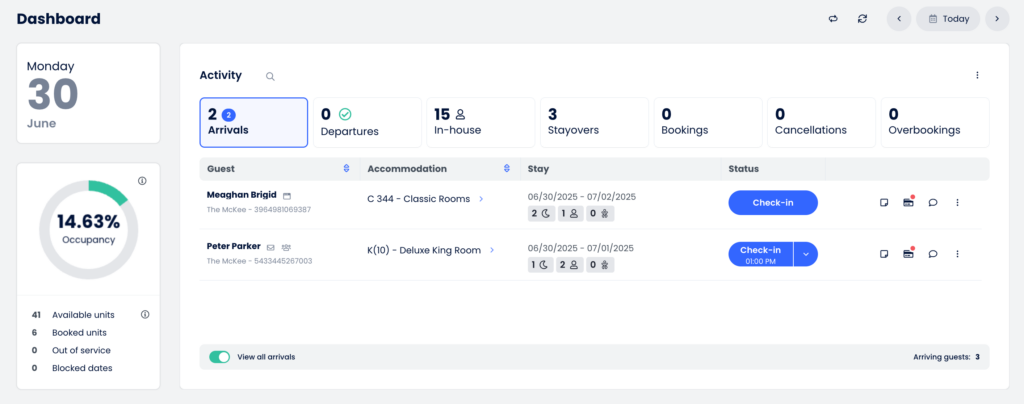
Revenue management, which means setting the optimal price for each night based on demand, events and competition, has traditionally required expensive consultants or specialized staff. Tools like RoomPriceGenie have democratized the discipline: its system analyzes market data and adjusts prices automatically, reporting an average revenue increase of 19% among its users.
Cloudbeds, named the number one hotel management software by Hotel Tech Report in 2025, includes its “Signals” AI model, which predicts demand with up to 95% accuracy and automates 80% of manual work. The platform combines property management, a booking engine and a channel manager in a single interface, eliminating the need for multiple subscriptions.
For smaller hotels, SiteMinder’s Little Hotelier is designed specifically for properties with 1 to 30 rooms. With plans starting at roughly $1,800 MXN a month, it includes competitive pricing analysis and connections to Booking.com, Expedia and Airbnb. Its 30-day free trial lets you measure the impact before committing.
WhatsApp as the star communication channel
In Mexico, WhatsApp dominates communication, with more than 90% penetration among smartphone users. Smart hotels take advantage of this by integrating chatbots directly into the platform. HiJiffy, used by more than 2,100 hotels including chains like Accor, lets hotels answer questions, send booking confirmations, handle digital check-in and upsell services, all from WhatsApp.
Wati.io offers WhatsApp Business automation from $39 USD a month (about $780 MXN) for 1,000 conversations. A small hotel can set up automatic replies to frequently asked questions, send booking reminders and request post-stay reviews without any manual work.
The paid version of ChatGPT ($20 USD a month) is also transforming operations, from drafting personalized replies to TripAdvisor reviews to writing compelling room descriptions in multiple languages. Some hoteliers build custom GPTs trained on their property’s specific policies and services.
Building your tech stack without breaking the bank

The most effective strategy for small hotels combines tools according to the available budget. A hotel with less than $1,000 MXN a month can start with the free tawk.to for live chat, complemented by ChatGPT to create content and reply to reviews. This basic combination automates tasks that eat up hours every day.
With a budget of $2,000 to $4,000 MXN a month, a property can add Tidio or Wati for true conversation automation, plus Little Hotelier or Pxsol for reservation and channel management. This setup removes the dependence on platforms like Booking.com for guest communication.
Hotels willing to invest $5,000 to $10,000 MXN a month get access to the full ecosystem: Cloudbeds or Zavia ERP for all-in-one management, Asksuite or HiJiffy for a specialized chatbot, and RoomPriceGenie for price optimization. The reported return on investment, revenue increases of 19-35%, more than justifies these costs for properties with more than 10 rooms.
Conclusion
Artificial intelligence is no longer exclusive to large hotel chains. In 2026, a small Mexican hotel can automate customer service, optimize prices dynamically and personalize the guest experience for less than the cost of a part-time employee. The key is to start gradually: a basic chatbot today, WhatsApp integration tomorrow, revenue management next quarter. The tools exist, Mexican providers offer local support, and the costs fit tight budgets. The real risk for small hotels isn’t adopting AI too soon; it’s falling behind while the competition automates.